
2026 IRS Mileage Rate Strategy for Used Cars Buyers
2026 changes in IRS Milage Rate for businesses
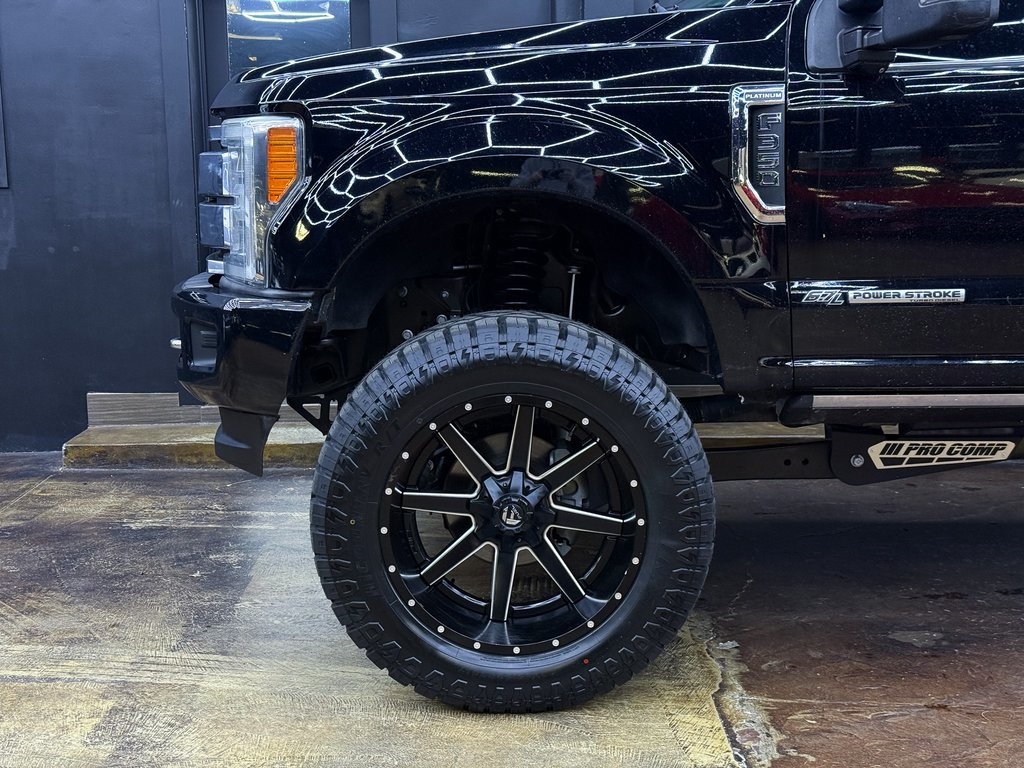
The 2026 IRS Mileage Rate Strategy: Why It Favors the "Smart" Used Car Buyer
Disclaimer: The information provided in this article is for educational and informational purposes only and does not constitute financial, tax, or legal advice. Tax laws are complex and subject to individual circumstances. Please consult with a qualified CPA or tax professional before making decisions regarding vehicle deductions or tax filings.
For self-employed professionals, real estate agents, gig workers, and small business owners, the vehicle you drive isn't just transportation—it's a line item on your tax return.
With the IRS setting the 2026 Standard Mileage Rate to 72.5 cents per mile (up from 70 cents in 2025), the mathematics of vehicle ownership have shifted slightly. While this rate increase is intended to combat rising fuel and insurance costs, it creates a specific "sweet spot" for savvy business owners buying pre-owned vehicles rather than brand-new ones.
Here is why the 2026 rate makes a compelling case for buying used, and how to maximize your deduction this year.
The "Arbitrage" of the Standard Mileage Rate
To understand why used cars win in 2026, you have to understand how the IRS calculates the rate. The 72.5-cent figure is based on an annual study of the fixed and variable costs of operating an automobile.
Crucially, this average includes the high depreciation of brand-new cars.
When you choose the Standard Mileage Rate deduction, you are deducting a flat 72.5 cents for every business mile driven, regardless of what your car actually costs to drive.
- Scenario A (New Luxury SUV): You buy a $90,000 SUV. It depreciates heavily, requires premium gas, and has high insurance. Your actual cost per mile might be $0.90 or $1.00. If you take the standard deduction (72.5 cents), you are "losing" money on the deduction (though you might choose the Actual Expense method instead).
- Scenario B (The Reliable Used Car): You buy a 4-year-old crossover for $28,000. The steepest depreciation curve is already over. It runs on regular gas. Your actual cost per mile might be only $0.35–$0.40. However, the IRS still allows you to deduct 72.5 cents.
The Result: In Scenario B, you are generating a tax deduction that is significantly higher than your actual cash outflow. This "phantom expense" lowers your taxable income without costing you cash, effectively subsidizing the purchase price of the car.
Why 2026 is the Year of the "Business Beater" (or "Business Beauty")
1. The Inflation of the Rate vs. The Reality of Used Prices
While the IRS rate has climbed to 72.5 cents to keep up with inflation, used car prices in certain segments have stabilized or softened compared to the post-pandemic peaks. If you can find a vehicle where the operating cost is low but the utility is high, the spread maximizes your benefit.
2. High Interest Rates Favor Lower Principals
Financing a new $60,000 vehicle at 2026 interest rates is expensive. Interest is deductible as a business expense (allocated by business use percentage) even if you use the Standard Mileage Rate, but a lower principal on a used car ($30,000) keeps your monthly cash flow healthier.
3. The "Standard vs. Actual" Trap
If you use the Actual Expense method (tracking gas, repairs, depreciation, insurance) in the first year you use a car for business, you are generally stuck using that method for the life of the car. If you choose the Standard Mileage Rate in the first year (which is often easier with used cars), you retain the flexibility to switch to Actual Expenses in later years if it becomes beneficial (though specific depreciation rules apply).
The Sweet Spot: What to Buy in 2026?
To maximize the 2026 mileage rate "spread," look for vehicles that fit this profile:
- Age: 3–6 years old (The steepest depreciation has already occurred).
- Fuel Efficiency: 25+ MPG combined or Hybrid (Gas is a variable cost you pay; the less you spend on gas, the more of that 72.5 cents you "keep").
- Reliability: High (Repairs are covered by the 72.5 cents; if you have a major engine failure, the standard rate won't cover it).
Top Contenders for the "Mileage Rate Strategy":
- Used Hybrids: Toyota Prius, RAV4 Hybrid, Ford Escape Hybrid. Low fuel costs + high reliability = maximum deduction spread.
- Depreciated Luxury: Older Lexus RX or Acura MDX. You get the comfort for clients, but because you bought used, your depreciation is lower than the IRS assumes.
Example: The Math in Action
Let's say you are a real estate agent driving 15,000 business miles in 2026.
The Deduction: $15,000 * 0.725 = $10,875 deduction
If you bought a reliable used SUV for $25,000:
- Gas: ~$2,000 (at 25 MPG and $3.30/gal)
- Maintenance/Tires: ~$1,000
- Insurance: ~$1,200
Your out-of-pocket operating cash flow is ~$4,200. But you get to reduce your taxable income by $10,875.
That difference helps offset the cost of the car itself.
Summary
The 2026 rise to 72.5 cents per mile is a nod to the increasing cost of new cars. As a savvy business owner, you can turn this to your advantage by opting for a quality pre-owned vehicle. You get the same deduction as the person driving the brand-new truck, but your actual costs are a fraction of theirs.
Ready to find the perfect business vehicle? Browse our inventory of high-quality SUVs today.